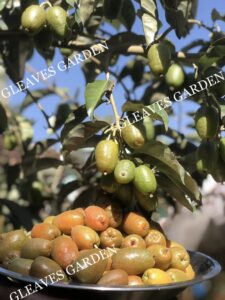
Silverberry at Gleaves Garden: From Seedling to Fruit
At Gleaves Garden, we understand that some gardeners want to watch a plant grow, while others want fruit immediately. We offer:
-
Baby Saplings: Perfect for hedge-planting and those on a budget.
-
Established Shrubs: 1–2 years old, ready to take off in your garden.
-
Fruiting Plants: Mature specimens that will provide a harvest in their very first season at your home.
Why Every Nepali Home Needs a Silverberry
1. Grows Everywhere in Nepal
Whether you are in the humid heat of Biratnagar or the chilly slopes of Ilam, the Silverberry is your best friend.
-
Terai: It is heat-tolerant and provides excellent shade.
-
Hilly: It is frost-hardy and prevents soil erosion on slopes.
2. The “Achar” & Jam Superstar
In Nepal, we love our tang!
-
Raw: Eat them fresh for a tart, citrusy kick.
-
Achars: Mix with green chilies and mustard oil for a unique “Silverberry Achar.”
-
Jams/Jellies: Their high pectin content makes them thicken naturally into a beautiful red preserve.
3. Amazing Health Benefits
Silverberries are more than just food; they are medicine:
-
High Vitamin C & E: Boosts immunity during the changing seasons in Nepal.
-
Antioxidant Powerhouse: Contains Lycopene (even more than tomatoes!), which helps protect against heart disease.
-
Good for Digestion: Traditionally used to settle an upset stomach.
Simple Care Guide for Nepal
| Action | Nepali Garden Context |
| Where to Plant | Any sunny spot. It loves the “Nitrogen” in the air! |
| Watering | Water regularly in the Terai; less often in the cooler Hills. |
| Fertilizer | Use Gleaves Garden Organic Mix once a year in Phagun (Feb/March). |
| Pruning | Cut back after the fruit is gone to keep the plant bushy. |